The city keeps part of the day
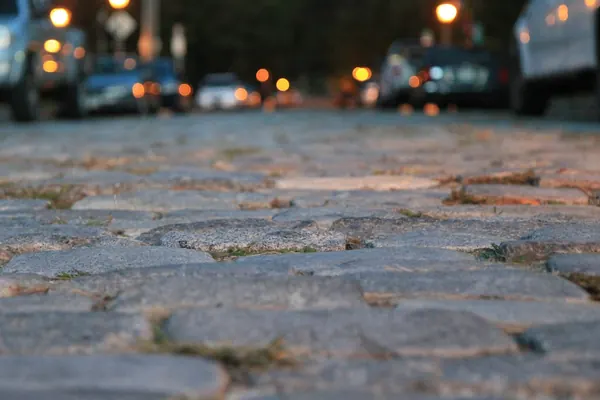
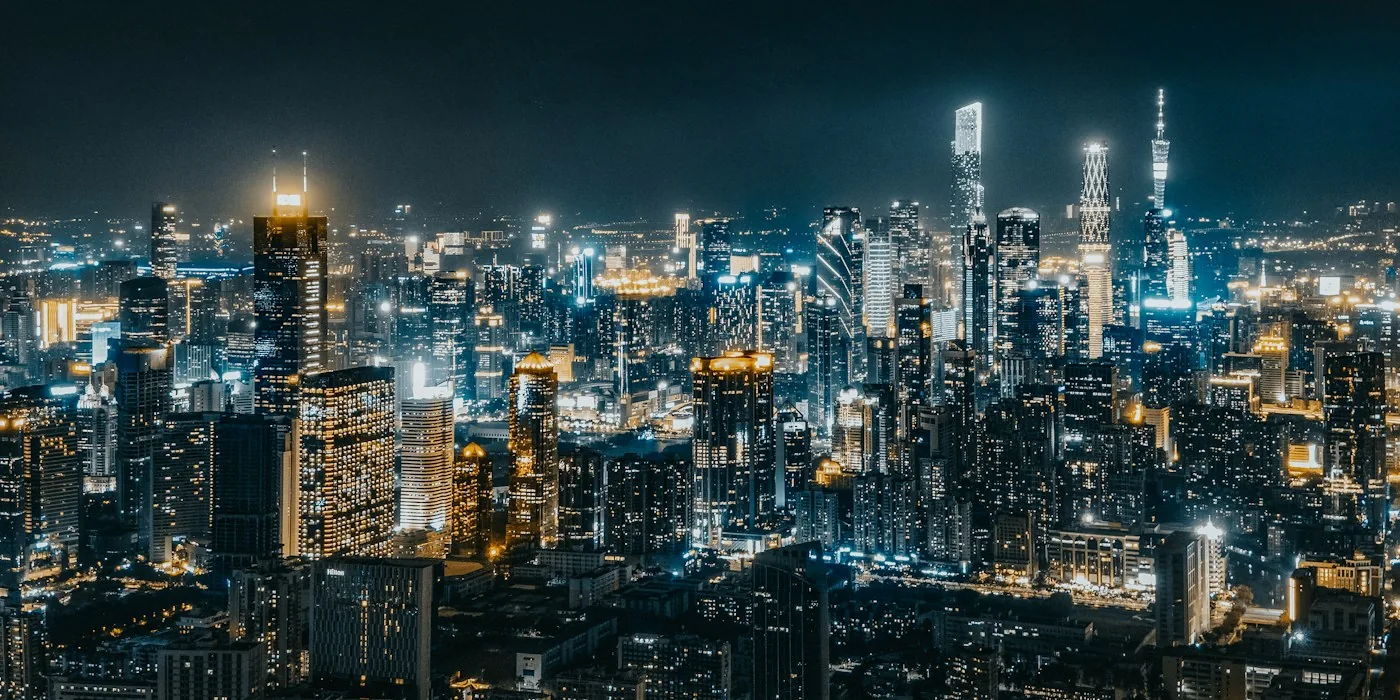
An evening in a built-up neighborhood can feel different from an evening among nearby open landscapes. The EPA explains the urban heat island effect through a combination of materials, reduced vegetation, building geometry, and heat from human activity. Roads and buildings can absorb solar energy and release heat later, helping explain why the contrast may remain after sunset.
The idea does not require every city street to feel alike. A neighborhood contains many smaller arrangements of shade, surfaces, open space, and airflow. The broad urban pattern and the differences within it are both part of the explanation.
Ask what temperature is being measured
The EPA distinguishes surface heat islands from warmer air in the urban atmosphere. A measurement of pavement and a measurement of air describe different things. Before comparing two dramatic numbers in an article or photograph, check which kind of measurement each represents.
Keep the time and location beside the value as well. A sunny surface at midday and a shaded spot after dark do not make a simple comparison. The number becomes useful when the conditions around it remain visible rather than disappearing from the headline.
Read a familiar block more slowly
On an ordinary walk in comfortable conditions, notice the arrangement of trees, paving, building setbacks, and sheltered corners. Describe where shade falls and where the route feels exposed. Do not try to turn a sensation into a precise temperature reading. A personal impression is a starting point for questions, not a substitute for measurements.
A small sketch can help. Mark a bus stop, a crossing, a planted area, and any place where people naturally pause. The exercise shifts attention from an abstract citywide average toward the particular spaces where a daily journey happens.
A proposal needs a place and a purpose
When a city announces a cooling measure, ask which setting it addresses and how the result will be checked. A tree project, a roof treatment, and a street redesign can involve different goals and timescales. A clear proposal should make those differences easier to understand.
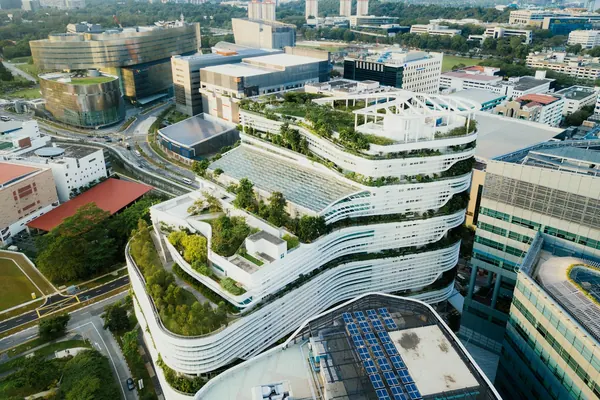
The same questions help readers assess a success story from another city. What was changed, where was it changed, and what evidence followed? A photograph of an attractive new space can begin the conversation without answering every part of it. Urban heat is a good subject for this kind of careful reading because its causes are physical but its experience is local. The warm evening street is both a place you know and part of a system that deserves measurement.
Sources & further reading
Source links provide context for this original feature. Illustration is not documentary evidence of a specific event.