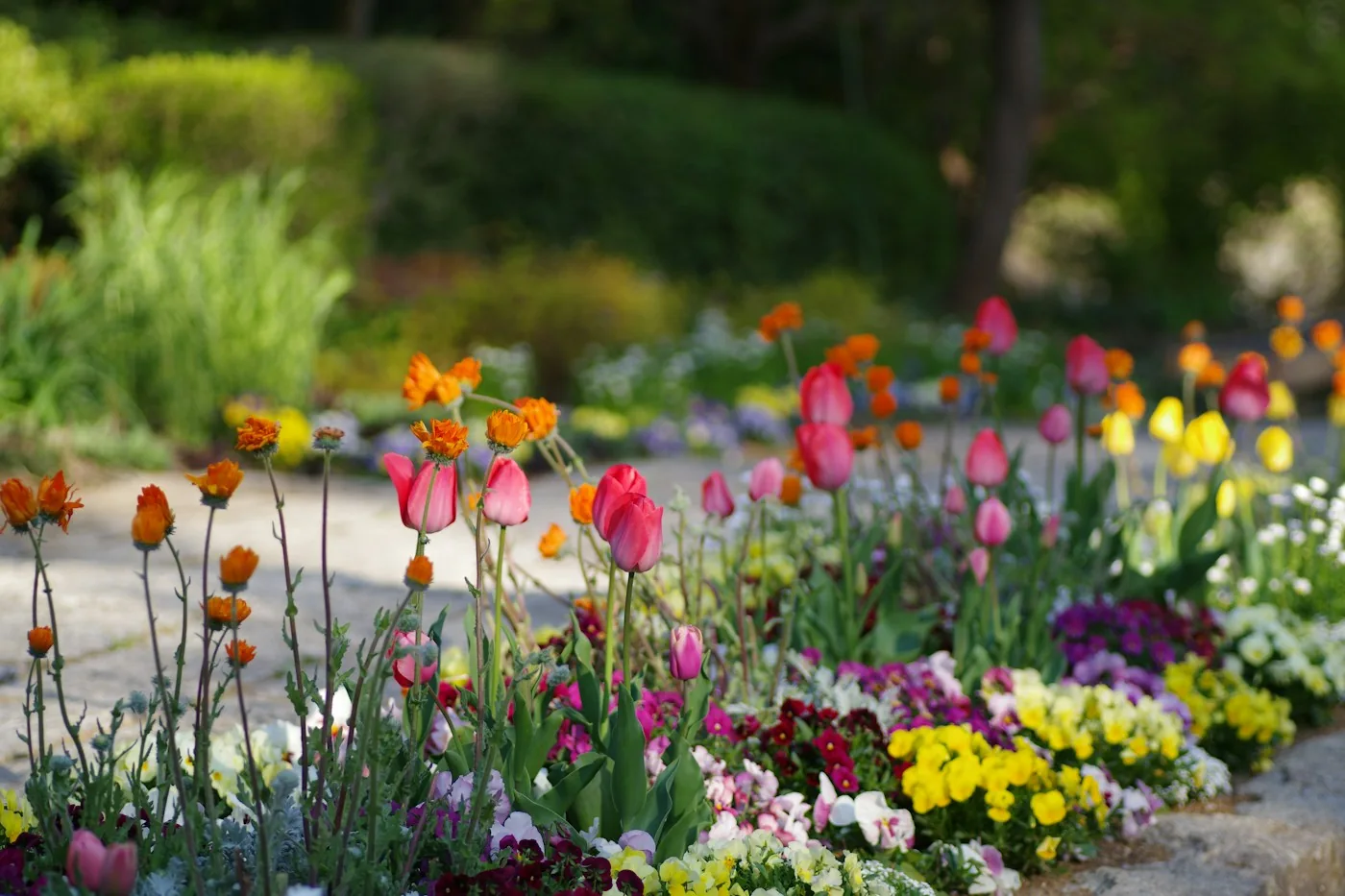
A garden with a water question
A rain garden is a planted depression designed to collect runoff and let water soak into the ground. The EPA's introductory guide describes water arriving from places such as roofs, drives, or streets. The plants are visible, but the shape and location connect the garden to a larger drainage purpose.
This is a useful way to read an unfamiliar planted area. It may have been arranged not only to look attractive, but also to receive water from somewhere nearby. Following that possibility turns a small patch of landscaping into part of the neighborhood's infrastructure.
Find the route before naming the feature
From a public path, look for an inlet, a gentle slope, a gap in a curb, or an explanatory sign. Describe what you can see without deciding that every planted hollow is a rain garden. A photograph alone may not reveal where water enters, where it leaves, or what lies beneath the surface.
The best question is often simple: where is the water expected to come from? If the answer is unclear, look for a project description from the local authority or site owner. A specific explanation is more helpful than applying an appealing label to every landscape feature.
Notice the scene after light rain
When conditions are safe, revisit a familiar public example after light rain and compare it with a dry-day view. Note whether water is visible and which parts of the planting appear wet. Keep the observation separate from a claim about performance. A casual visit does not establish how the design behaves across many storms.
A few notes and a dated photograph can still be useful. They help you connect the explanation on a sign with the place itself. The exercise is about noticing an ordinary system, not testing it by blocking an inlet or walking into a planted area.
Planning is more than digging
The EPA's guide points readers toward siting advice and the need to know about underground utilities before any digging. If you are considering a project, use current local guidance and appropriate professional help rather than treating an attractive example as a complete installation plan.
For a reader, the wider lesson is that environmental design can be both modest and purposeful. A rain garden does not need to dominate a street to change the way that street is understood. Once you begin looking for the path of water, roofs, curbs, planted beds, and drains stop appearing as unrelated details. They become parts of one connected landscape, with each small feature raising a practical question about where the next rainfall will go.
Sources & further reading
Source links provide context for this original feature. Illustration is not documentary evidence of a specific event.