A different question for a hard surface
We often judge pavement by how smooth, dry, or durable it appears. Permeable pavement adds another question: where can rainwater go? The EPA's research at its Edison Environmental Center examines permeable surfaces and the movement of water through them. The work includes different materials and the conditions that affect performance over time.
The important idea is a route through the surface rather than only across it. That does not make every paved area with visible joints permeable. A complete design includes what happens below the layer that a visitor can see.
An installation is also a system
A surface photograph cannot tell the whole story of water storage, infiltration, or drainage beneath the pavement. For a particular project, look for a diagram or official explanation that shows where water is intended to travel. The receiving soil and any engineered layers belong in that explanation.
The EPA research also studies clogging and methods of assessing infiltration. This makes maintenance part of the technical question, not an afterthought. A system's opening condition and its condition after use are separate points in its life, and a useful account should make room for both.
Read the claims with their conditions
If a project description reports a result, keep the location, method, and observation period with it. Ask whether the number describes a field measurement, a model, or a design expectation. A result from one setting can be informative without automatically becoming the result everywhere.
This habit is especially useful for unfamiliar infrastructure. You do not need to evaluate every engineering detail yourself. You do need to know what kind of evidence is being presented before deciding how broad a conclusion the story supports. Clear questions are a valuable part of reading technical news.
Observe without trying to prove
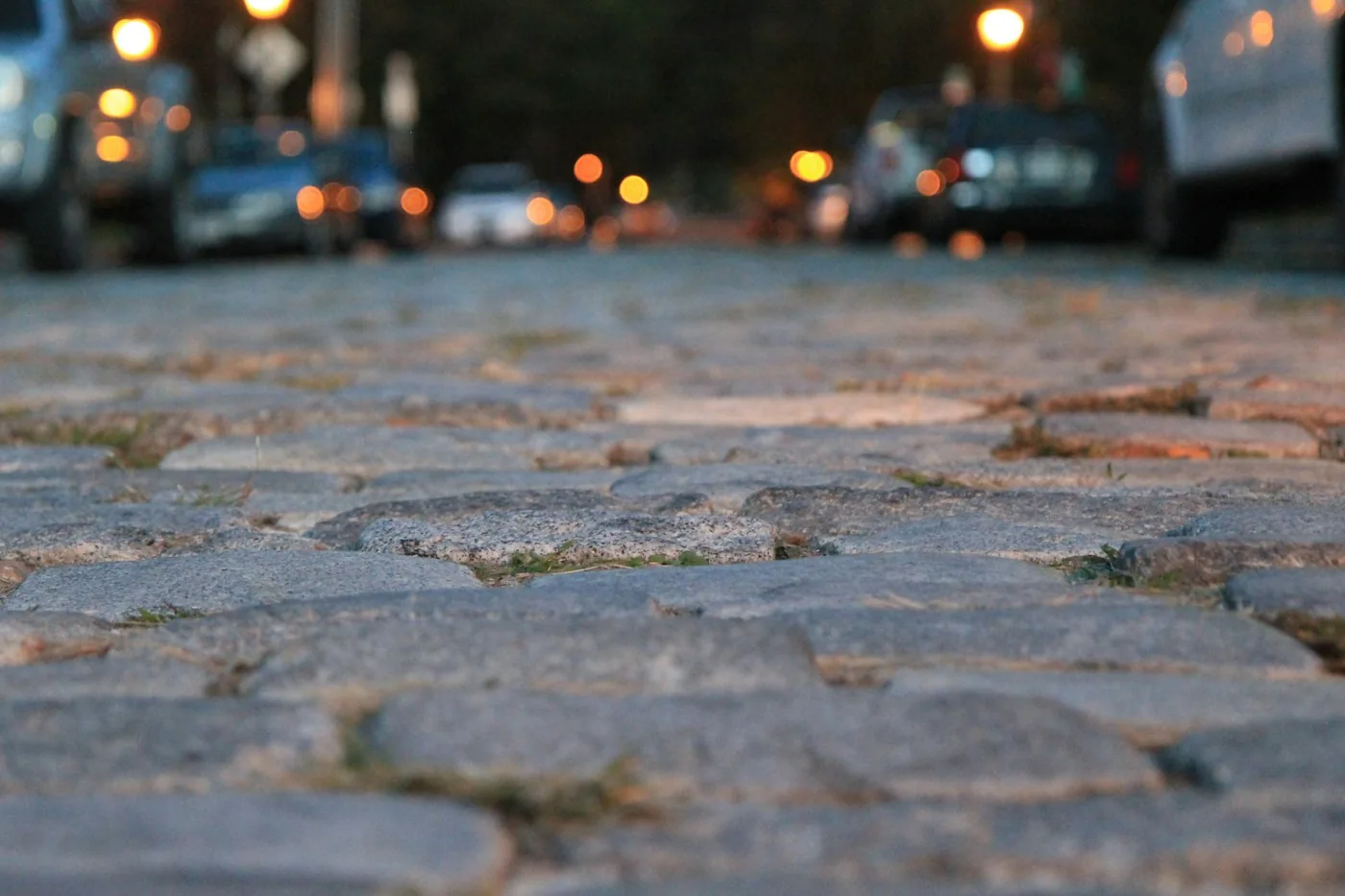
On a safe public route after light rain, compare where water remains on different surfaces. Write down the visible pattern without declaring which material is best. The amount of rain, surface condition, and underlying design may be outside your knowledge. Leave those as limits of the observation.
The exercise can still change how you see a commonplace setting. A parking area or path becomes more than a gray background between buildings. Its surface is making a practical choice about movement: people and vehicles above it, water across or through it. Permeable pavement is a useful introduction to that hidden side of design. The most interesting part may not be what a finished project looks like, but the route it gives something as ordinary as rain.
Sources & further reading
Source links provide context for this original feature. Illustration is not documentary evidence of a specific event.