Two technologies share a broad name
Solar energy is a broad category. The US Department of Energy distinguishes photovoltaic systems, which convert sunlight into electricity, from concentrating solar-thermal systems, which use mirrors to gather solar energy as heat. The familiar flat panels on many buildings belong to the photovoltaic side of that distinction.
It is worth naming the technology before discussing what it does. A story about a mirrored power tower and one about a rooftop panel can both be solar stories without describing the same process. The shared word should not erase the different equipment and energy pathways.
The panel is a component, not a promise
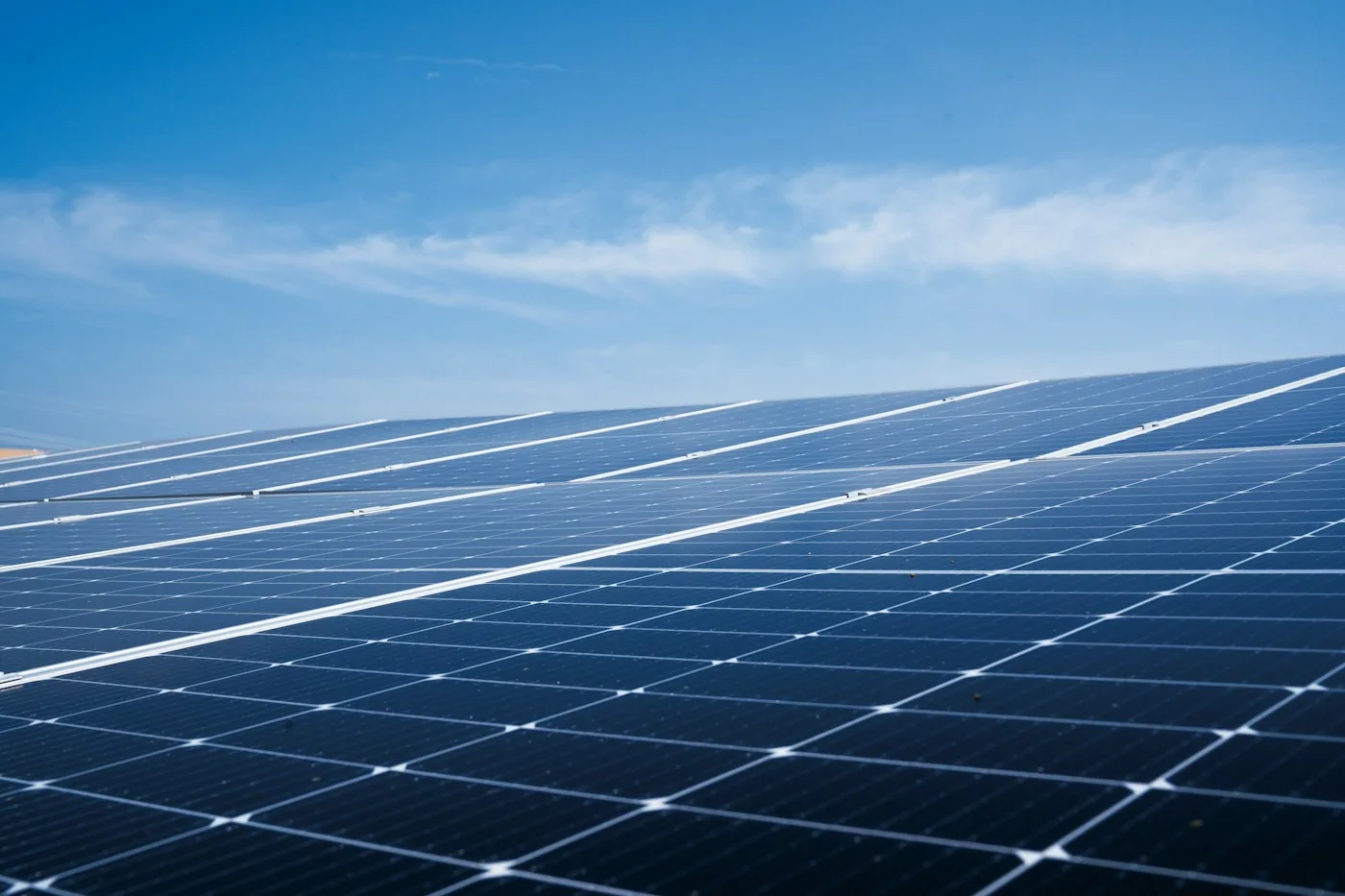
A solar photograph often places the panel at the center of the story. A useful system description also explains the electrical equipment and the way generation fits with use, storage, or the grid. The Department of Energy notes that storage can help address periods when sunlight is unavailable or reduced.
For a reader, the important habit is to distinguish generating electricity from storing it. A picture of panels does not tell you whether storage is included, which loads are served, or how a particular installation behaves in an outage. Those are questions for the actual project documentation.
Put numbers back into sentences
When an energy headline gives a large number, rewrite it as a complete sentence in your notes. Include what is being measured, over which period, and whether it is a specification, estimate, or observation. If those parts are missing, leave a blank rather than quietly supplying an assumption.
This small exercise can make a technical story much clearer. It also exposes why two apparently competing claims may be describing different things. A machine rating, a year's production, and a household's usage are related topics, but they are not interchangeable expressions of one number.
Start with an explanatory diagram
Before comparing products or making a purchase decision, find an official introductory diagram for the kind of system you want to understand. Trace the path from sunlight to panel to the next electrical component. Mark any storage separately. Then ask where your own question sits along that path.
You may be asking about the technology, an installation's performance, or the practical arrangements at a particular building. Giving the question a location helps keep the answers relevant. Solar power becomes less mysterious when the equipment is allowed to be specific. The panel is an important opening image, but the more useful story explains what receives the light, what happens to the energy afterward, and which parts of that account have actually been measured.
Sources & further reading
Source links provide context for this original feature. Illustration is not documentary evidence of a specific event.