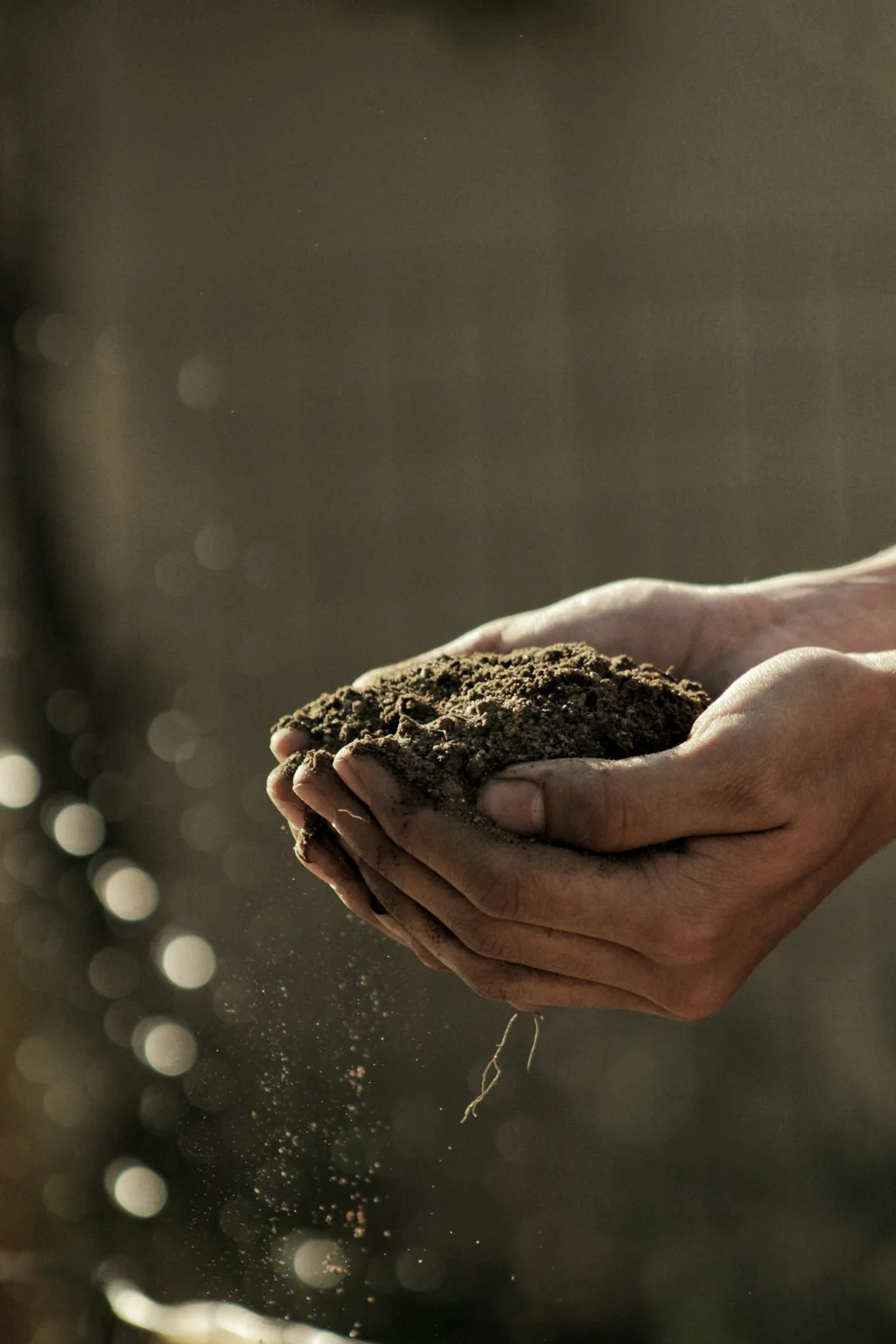
Collection is only the beginning
Keeping food scraps out of the ordinary trash is a visible action, but the container is not the whole composting process. The EPA describes composting as managed decomposition involving organic material, moisture, air, and the organisms that do the work. A useful home system needs an appropriate mix of materials rather than an endless addition of kitchen scraps alone.
This makes compost a process to understand before it becomes a product to buy. A neat countertop bin can make collection convenient without answering where the material goes next or what happens when it arrives.
Choose the route before the container
Begin by finding out which route is available where you live: a managed home pile, a community collection point, or an accepted municipal service. Read the actual accepted-materials list. The right choice depends on the system receiving the scraps, not on a generic symbol on a bag or a neighbor's routine.
The EPA also distinguishes finished compost from the dried, ground output of some countertop food-scrap appliances. Reducing the volume of scraps and completing the biological process are not the same task. Knowing which job a device performs helps you ask better questions about what must happen afterward.
Keep a simple materials log
For a new routine, record what you collect over a few ordinary cooking days. Note the kinds of scraps, how often the container fills, and whether the receiving program accepts them. Do not add an uncertain item just because it seems natural. Put the question on the list and check the program's instructions.
The log can be brief. Its purpose is to choose a workable rhythm rather than produce a perfect household audit. A smaller routine that you can maintain is more useful than an elaborate setup that becomes confusing after the first busy week.
Close the loop in your questions
Ask what the completed material is used for and whether your collection route provides any information about that destination. A community program may explain its process differently from a backyard guide, and both can be worth understanding on their own terms. Avoid judging one method only by how closely it resembles another.
Composting is most satisfying when the story does not end at taking a caddy outside. The full question includes inputs, management, and a useful finished material. That perspective also offers a wider lesson about environmental habits: the visible gesture is often only one stage in a chain. Learning the next stage makes your participation more informed and turns an everyday kitchen task into a clearer connection with the place where you live.
Sources & further reading
Source links provide context for this original feature. Illustration is not documentary evidence of a specific event.