More than making something look bigger
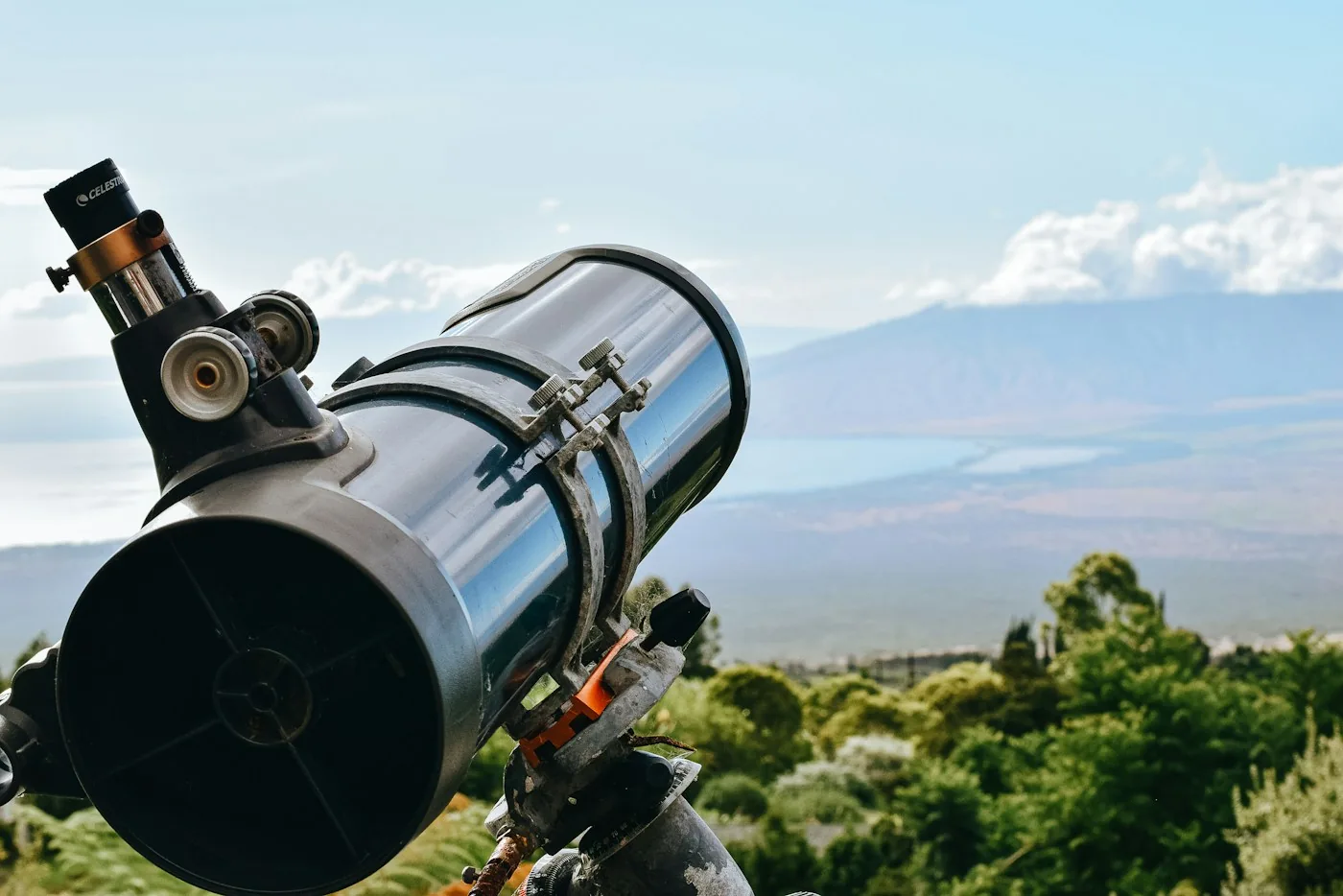
A telescope is often introduced as a machine for magnifying faraway objects. NASA's telescope guide begins with a more fundamental role: collecting and focusing light. A larger main mirror or lens can gather more light, improving the ability to detect faint objects. Refracting telescopes use lenses, while reflecting telescopes use mirrors as their principal optical element.
This changes how you read a description of an instrument. A large magnification number is not a complete account of what it can show. The optical design and light-gathering role belong at the beginning of the explanation.
The question shapes the instrument
NASA's guide also shows that telescopes are designed for different parts of the electromagnetic spectrum. Equipment that studies radio waves need not resemble the small optical telescope someone might use in a garden. The shared idea is a purposeful way of collecting information from incoming radiation.
For a reader, the useful question becomes what the instrument was built to study. That is more informative than deciding which telescope is simply the most powerful without specifying a task. Different scientific questions call for different designs and different forms of evidence.
Read a telescope description in order
Start with the kind of light or observation involved, then identify the main collecting element and the intended use. Leave promotional superlatives until later. If the description includes unfamiliar terms, write down the question each term seems to answer rather than trying to memorize the vocabulary all at once.
For a public observing event, ask the host what you are being shown and which part of the view matters. Knowing that you are looking for a particular pattern or feature makes the eyepiece experience easier to interpret than expecting every object to resemble a polished space image.
Keep the image-making process visible
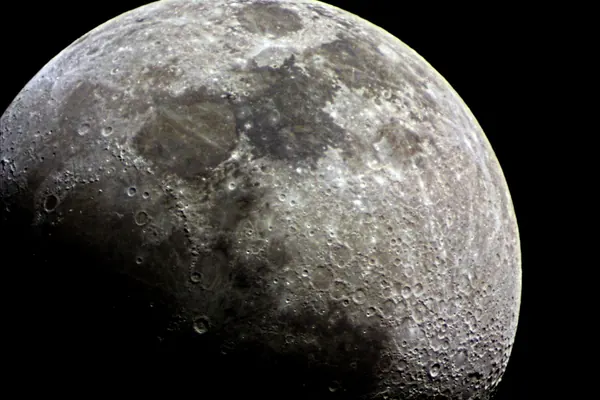
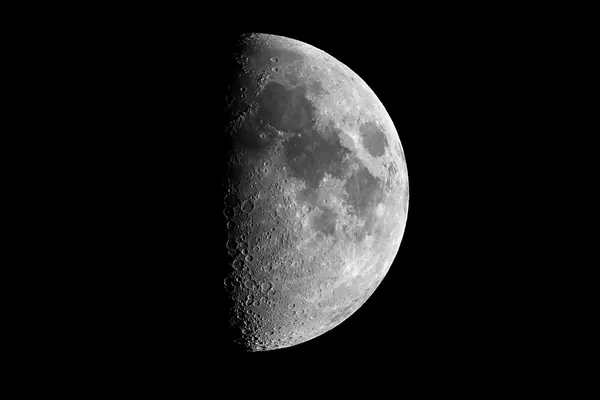
A scientific image may include choices about exposure, processing, and the presentation of data. Read its caption and explanation before assuming it represents exactly what a person would see through an eyepiece. A beautiful image can be both informative and carefully constructed for a purpose.
This does not reduce the wonder of astronomy. It adds another subject to admire: how an instrument turns faint incoming signals into something people can study. Whether the telescope is on the ground or in space, understanding begins with the information it collects. The next time an image catches your attention, ask what light arrived, how it was gathered, and how the resulting view was made. Those questions connect the spectacle to the science without requiring you to become an optical engineer.
Sources & further reading
Source links provide context for this original feature. Illustration is not documentary evidence of a specific event.