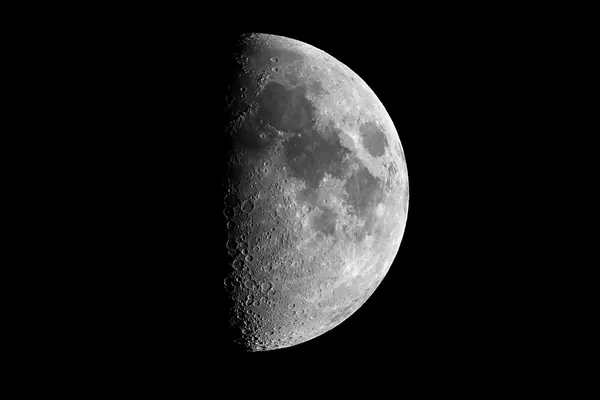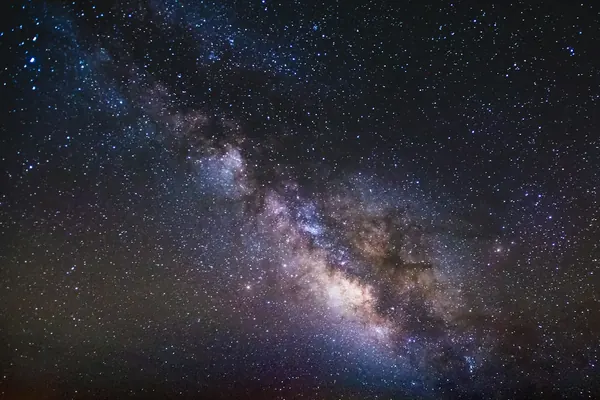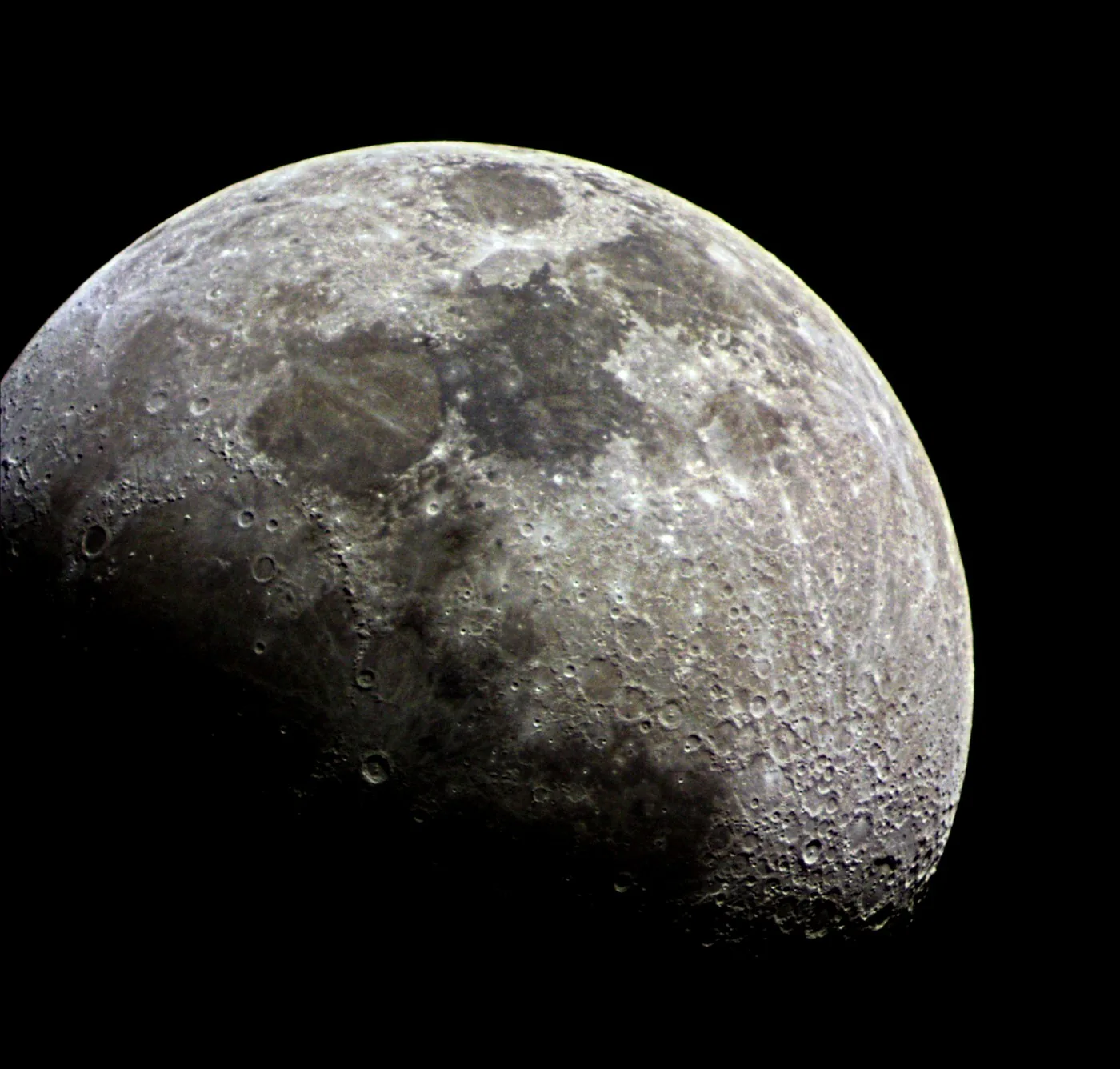
A familiar object with different lighting
The Moon does not need to change its physical shape to appear as a crescent one evening and a bright disk on another. NASA explains that the phases come from changing illumination as the Moon orbits Earth. We see different portions of the sunlit half from our position on Earth.
The ordinary monthly phases are therefore a matter of geometry. They should not be explained as Earth's shadow moving across the Moon. That shadow belongs to the different alignment of a lunar eclipse. Keeping the two ideas separate makes a great deal of lunar vocabulary easier to understand.
The far side is not permanently dark
NASA also explains that the Moon rotates as it orbits, keeping the same general hemisphere toward Earth. The phrase dark side can be misleading when used to mean the far side: different areas receive sunlight during the cycle. Far describes the viewpoint; dark describes illumination.
That is a useful language lesson as well as an astronomical one. A word that sounds vivid can quietly substitute one physical claim for another. Asking what the label actually means is often the simplest way to clear up the confusion.
Keep a Moon notebook
For a few evenings when the Moon is visible, sketch the shape you see and note the date, time, and direction. A rough outline is enough. If you miss a night because of cloud or timing, leave a gap rather than drawing what you think must have been there.
After several observations, compare the sequence with NASA's lunar resources. The point is not to produce a perfect astronomical record. It is to connect an explanation to your own experience of a familiar sky. Even the gaps can help you ask why observation is different from a tidy diagram.
Treat photographs as observations with context
A close-up Moon photograph may show surface detail beautifully while omitting where the Moon was in the sky or when the image was made. Add that context if you are keeping a personal record. If you compare several images, note whether they were taken and processed in the same way.
The most satisfying result is often a small change in attention. The Moon stops being a decorative symbol that simply appears after dark and becomes a changing view you can follow. A crescent, a bright half, and a full disk belong to a sequence with a physical explanation. Watching that sequence makes the explanation easier to remember than memorizing names alone, and it offers a recurring observation project that requires little more than a clear patch of sky and a few minutes of patience.
Sources & further reading
Source links provide context for this original feature. Illustration is not documentary evidence of a specific event.