A brief streak with an orbital history
A shooting star is not a star falling toward Earth. NASA describes meteor showers as events that occur when Earth encounters dusty debris left by a comet or, in some cases, an asteroid. The visible streak is associated with material entering the atmosphere, and recurring showers are connected to recurring encounters along Earth's route.
That gives a very short event a much longer context. The flash lasts only a moment, but the explanation involves paths through space and material left behind by another object. It is a useful contrast between the duration of an observation and the history behind it.
A shower name is a clue
Meteor showers are commonly named for the part of the sky from which their paths appear to originate. The name helps organize an observing guide, but it should not be read as a promise that every streak will cross one small point in your view. Read the current official observing information for the particular event and your location.
Keep predictions and observations separate. An expected peak, an idealized rate, and the number a person happens to notice during one session are different things. Treating them as identical is a reliable way to turn an enjoyable evening into disappointment.
Plan for waiting, not chasing
Choose a suitable, permitted place, check local weather and access information, and make comfort part of the plan. A chair, appropriate clothing, and a clear return arrangement are more useful than trying to move repeatedly toward every promising patch of sky. Avoid lights that interfere with other visitors.
If you keep notes, record the time spent looking as well as what you saw. A count without a duration says very little. Leave room for uncertainty when you are unsure whether a brief impression was a meteor, an aircraft, or something else.
Let the evening have more than one outcome
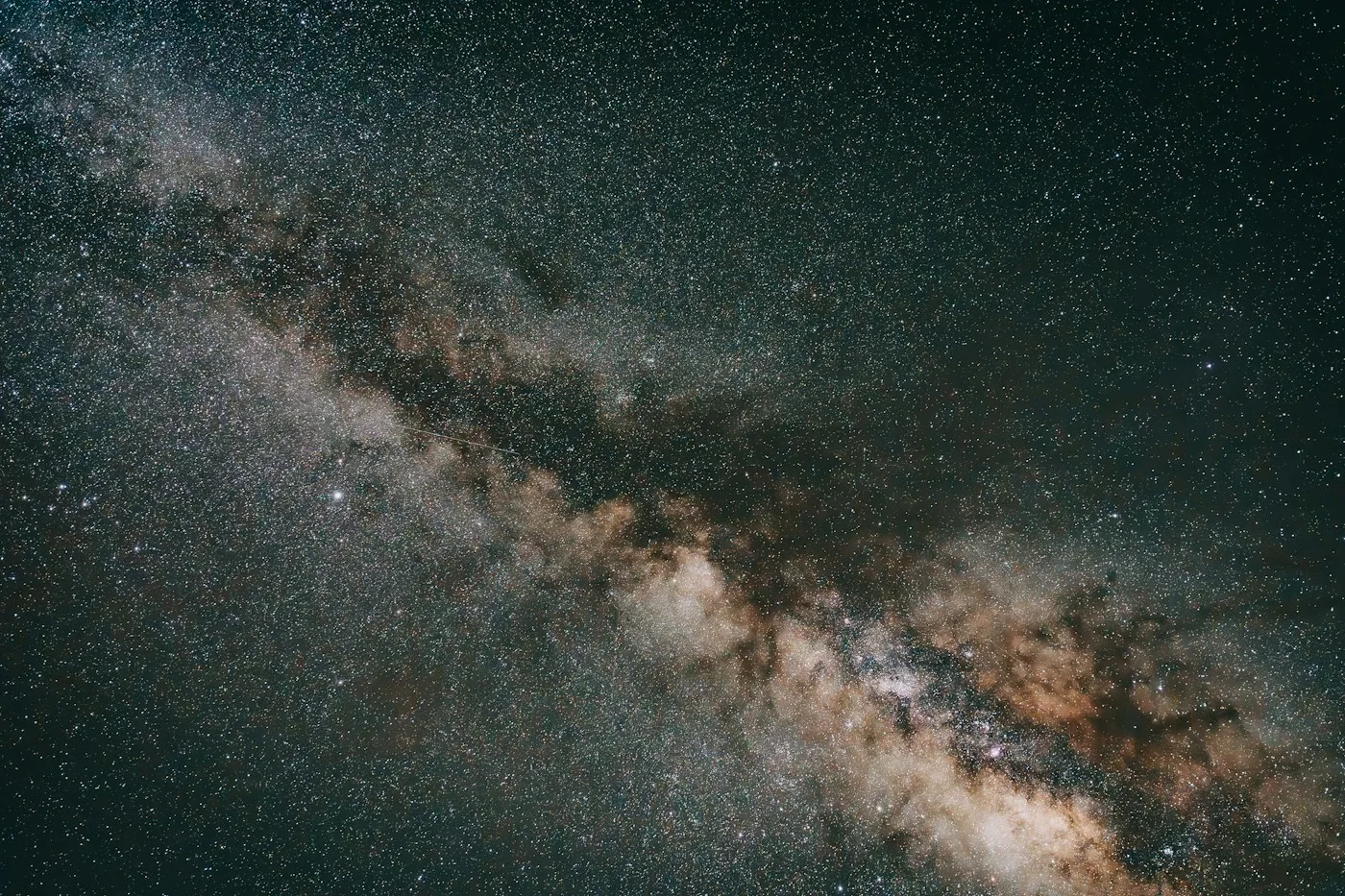
Clouds, light, timing, and chance can make a session quieter than expected. Decide in advance that a familiar constellation or a good view of the night landscape can still make the outing worthwhile. That takes pressure off an event whose most memorable moments cannot be summoned on demand.
Afterward, compare your notes with a reliable account of the shower. Ask what the guide predicted and what your own observations can reasonably establish. You do not need a dramatic photograph for the session to count as learning. Watching meteors is a good exercise in patient attention: the spectacle is brief, the field of view is broad, and the most useful record includes not only the moments that appeared, but the time you gave them to happen.
Sources & further reading
Source links provide context for this original feature. Illustration is not documentary evidence of a specific event.